Rev Pam Hynd's sermon for Easter 5
Rev Kathy Hammer's sermon for Easter 4
Rev Pam Hynd's sermon for Easter 3
This passage is read every year a week after Easter and every year there seems to be a new reason why people might do what the disciples did and huddle behind locked doors because they are afraid.
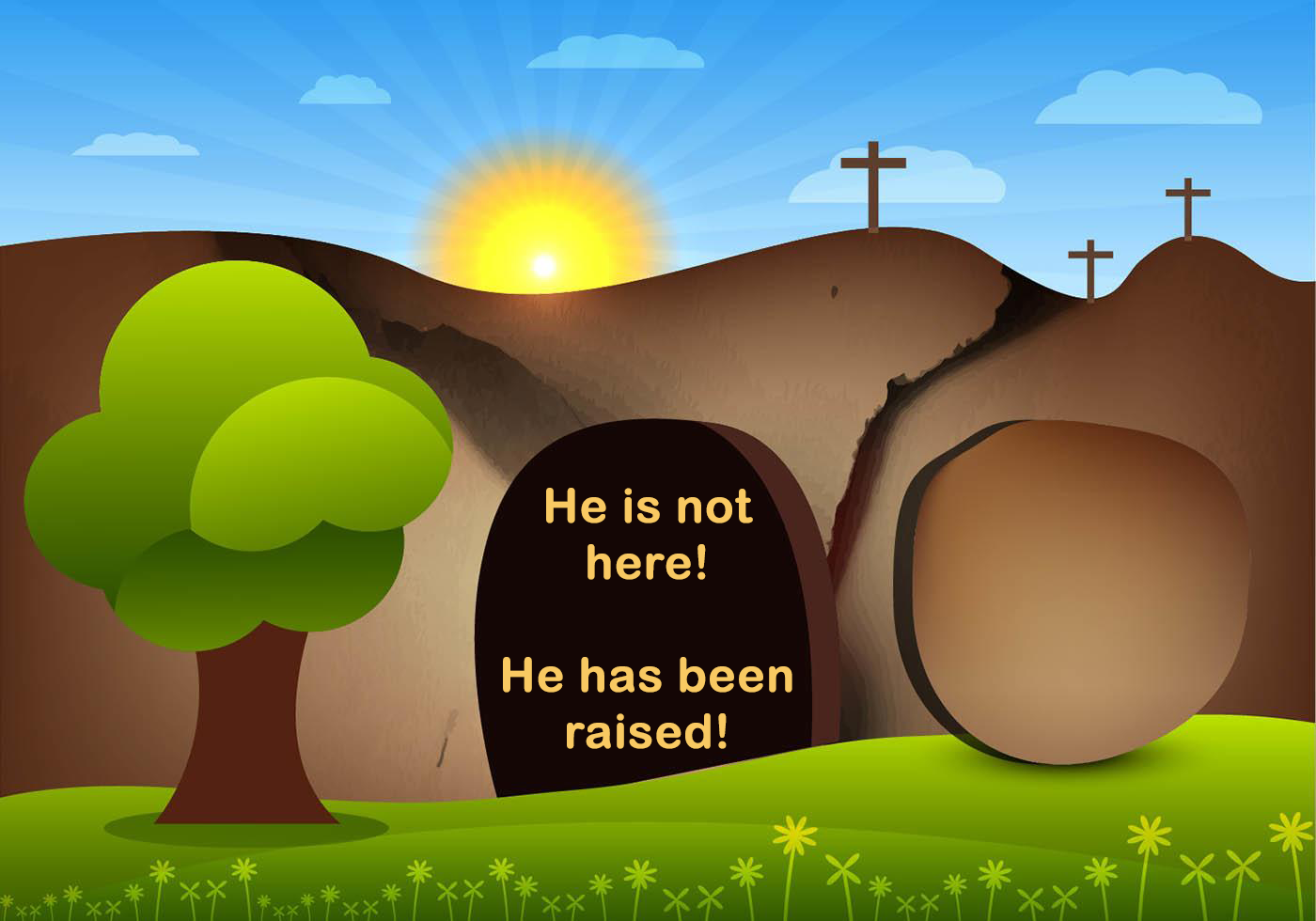
This is Easter morning! This is the Day of Resurrection! A day for celebrating, For singing and dancing, For eating chocolate and drinking champaign. And yet Fear still creeps in, And people need to be told one more time, "Do not be afraid".
Pilate is the biggest bully in town, but there’s a bigger bully not so very far away. When a person chooses to live by force and violence, they become part of a hierarchy in which there is always someone else above them who might use force and violence against them. Jesus lives outside that hierarchy. He cannot be controlled using threats of violence. Jesus is the one being questioned, but Pilate is the one who is powerless.
As people waved palm branches to welcome Jesus into Jerusalem, their behaviour was far from unprecedented. None of the people around Jesus would be old enough to remember Simon the Hammer who was welcomed in the same way, but they certainly would have heard the stories. And those stories told them that hope is powerful and, like all powerful things, it can be dangerous.
Rev Pam Hynd's sermon for Lent 5
We live in a world in which good and evil, hope and desperation, love and self-interest are mingled in ways that are never straightforward and are often confusing. Every simple solution is clouded by complexity.
In John 3, Nick comes to Jesus by night. He has questions and an inkling that Jesus might have answers, but he doesn’t want his peers to see him with Jesus. He doesn’t want to be accused of taking Jesus’s side. So, he meets Jesus under cover of night. Jesus tells him he must be born again from above, and Nick doesn’t understand. And who could blame him? He asked an honest question and Jesus replied with a riddle.